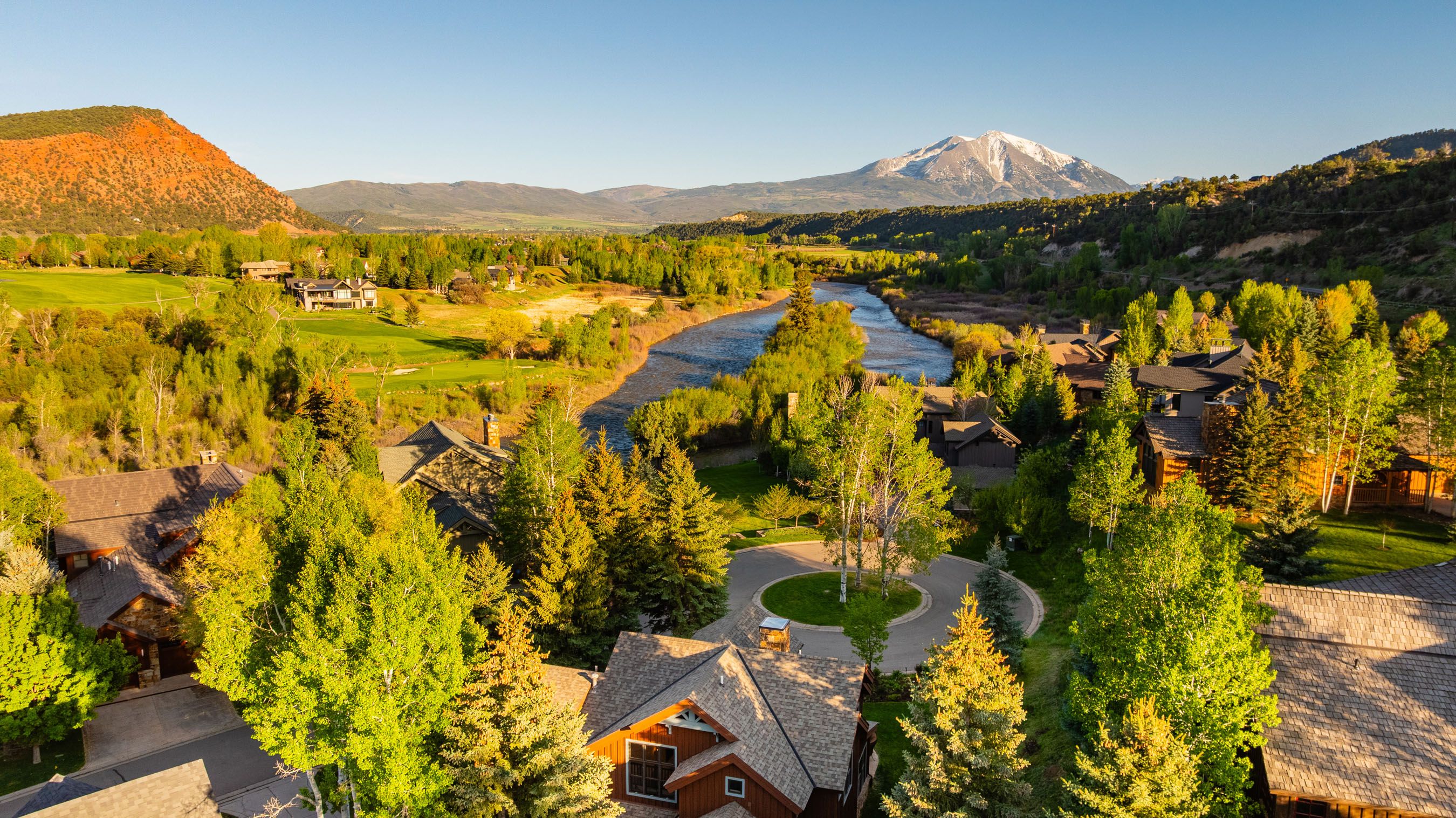
The conversation around homes for sale in the Roaring Fork Valley, Colorado has shifted over the past year. After the volatility of earlier pandemic-era markets, 2025 largely normalized into a more disciplined environment defined by patient buyers, measured pricing, and persistent inventory scarcity.
That scarcity continues to shape the outlook for Roaring Fork Valley real estate in 2026. The Roaring Fork Valley includes Aspen, Snowmass, Basalt, Carbondale, and Glenwood Springs. “A-quality” properties still move quickly, but buyers are more deliberate about lifestyle fit, location, and long-term value. Luxury demand remains concentrated up-valley in Aspen and Snowmass, while the mid-valley and down-valley markets continue absorbing full-time residents, remote professionals, and families seeking space without sacrificing access.
The result is not one singular market but a demand map across the valley. Certain neighborhoods are drawing outsized attention this year because they align with how people actually want to live here: walkability, ski access, privacy, or everyday convenience.
Below is a 2026 guide to where buyer interest is concentrating across the Roaring Fork Valley real estate market and what is driving those patterns.
What “Trending” Means in 2026
When buyers search for homes for sale roaring fork valley colorado, “trending” does not mean speculation or rapid price spikes. In the current cycle it reflects measurable signals:
Low inventory across most price tiers
The valley continues to face structural supply constraints. When a well-located property lists, particularly in Aspen or Snowmass, it often attracts immediate attention.
New development influencing resale markets
Major projects such as Snowmass Base Village have shifted demand patterns. As new inventory comes online, it reshapes how buyers compare resale properties nearby.
Distinct buyer profiles
The valley now hosts multiple overlapping buyer groups:
- Global luxury second-home buyers (Aspen, Snowmass)
- Full-time remote professionals relocating mid-valley
- Families seeking community-driven neighborhoods
- Buyers entering the market through fractional ownership or down-valley housing
These forces are driving which neighborhoods are seeing the most activity across the valley landscape.
Up-Valley Demand: Aspen Neighborhoods Buyers Keep Asking For


Aspen remains the anchor of the valley’s luxury real estate market. Inventory scarcity continues to underpin pricing, and when the right property appears it tends to move quickly.
West End + Downtown Core
For buyers prioritizing walkability, the historic West End and the Downtown Core remain two of the most recognizable addresses in Aspen real estate.
The West End offers Victorian architecture, tree-lined streets, and proximity to the Aspen Institute and Music Festival. Meanwhile, downtown condos and townhomes appeal to buyers looking for lock-and-leave convenience and the ability to walk to restaurants, lifts, and cultural venues.
These neighborhoods often attract buyers seeking a pied-à-terre style Aspen experience rather than large estate properties.
Red Mountain
Red Mountain remains one of the most coveted addresses in global luxury real estate. Large estates with expansive views over Aspen and Independence Pass define the neighborhood.
Inventory is extremely limited, which means many transactions occur quietly or after long hold periods.
McLain Flats + Starwood
Buyers seeking space and privacy often look toward McLain Flats and Starwood. These areas offer estate-scale properties, mountain views, and distance from downtown congestion while remaining relatively close to Aspen.
Demand here tends to be driven by long-term owners rather than quick resale cycles.
East Aspen
East Aspen appeals to buyers who want a quieter residential setting while maintaining quick access to downtown and up-valley recreation.
Proximity to the North Star Preserve and the Roaring Fork River creates a distinctive outdoor lifestyle dynamic that continues to attract interest.
Snowmass Village: Base Village and the Ski-In/Ski-Out Premium
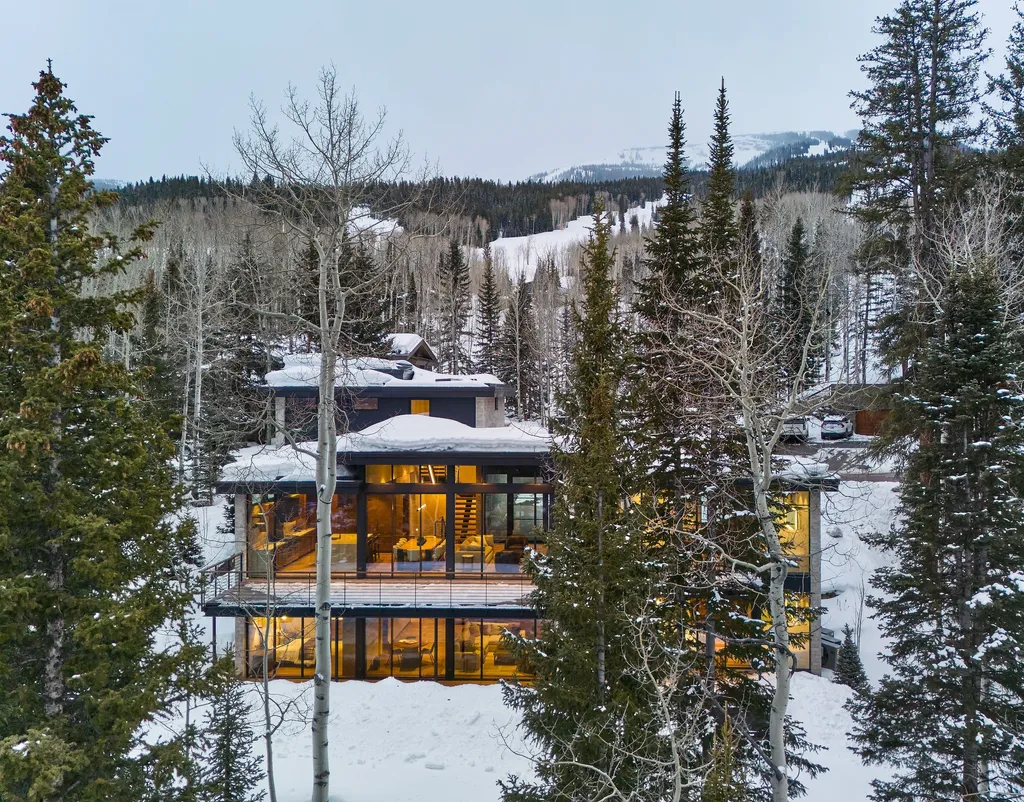


While Aspen retains global recognition, Snowmass Village real estate has evolved into a destination in its own right.
The long-running transformation of Base Village has reshaped how buyers evaluate Snowmass real estate.
Base Village
Base Village has become one of the most visible development stories in Colorado mountain real estate. The area offers new construction, walkable amenities, and direct ski access.
Residences appeal to buyers seeking a modern lock-and-leave ski property, particularly those comparing Snowmass with Aspen’s older condominium inventory.
Additional buildings continuing to complete around 2026, including projects such as Base Village Buildings 10A and 10B, reinforce a growing scarcity dynamic as the final phases come online.
Amenities such as The Collective, restaurants, and family-oriented activities have also strengthened Snowmass’ year-round appeal.
Woodrun, Two Creeks + Divide Corridor
Beyond Base Village, several micro-markets continue attracting interest depending on available inventory:
- Woodrun for established ski-in/ski-out properties
- Two Creeks for quieter luxury homes with lift access
- Divide corridor properties offering views and proximity to the mountain
Buyers focused on ski access often evaluate these neighborhoods alongside Owl Creek and other slope-adjacent areas.
The Privacy Play: Woody Creek + Old Snowmass
For buyers prioritizing serenity and land, Woody Creek and Old Snowmass represent a different type of Roaring Fork Valley lifestyle.
These areas offer larger parcels, rural character, and distance from resort activity while still remaining within reasonable reach of Aspen.
Estate properties in Old Snowmass often appeal to buyers seeking:
- multi-acre parcels
- agricultural zoning flexibility
- long-term legacy ownership
Transaction volumes can vary widely year-to-year simply because inventory is limited.
Mid-Valley Momentum: Basalt + Carbondale
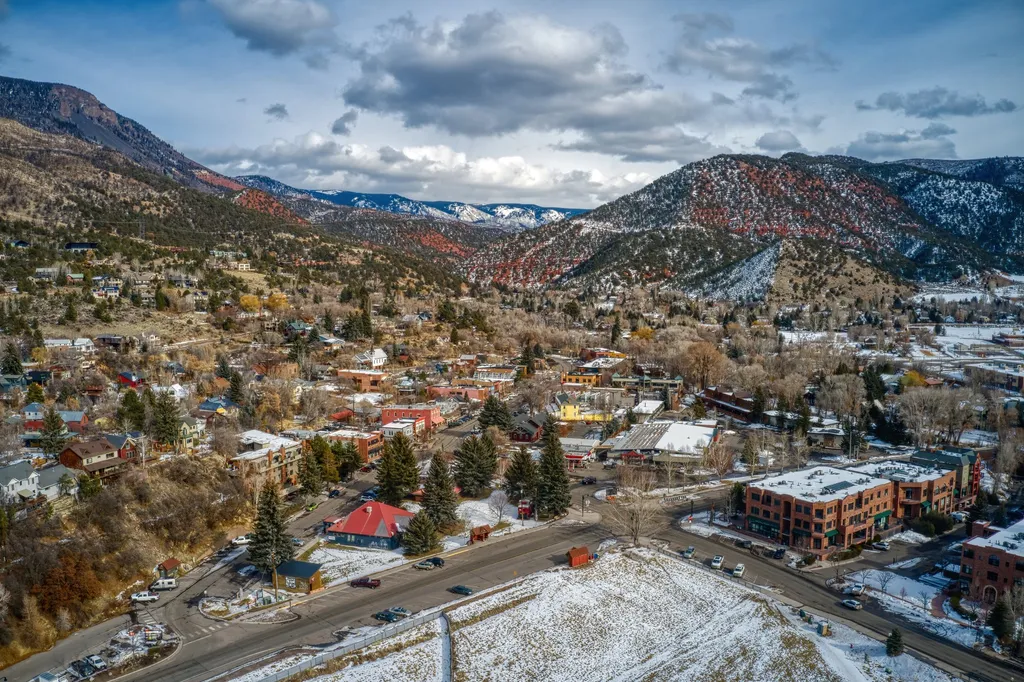

While Aspen and Snowmass dominate headlines, the mid-valley market has become one of the most dynamic segments of Roaring Fork Valley real estate.
Lifestyle convenience, commute flexibility, and a strong sense of community continue driving demand.
Basalt Real Estate: The Mid-Valley Sweet Spot
Many buyers exploring Basalt, CO real estate are drawn to its balance between access and livability.
Basalt sits roughly between Aspen and Glenwood Springs, making it attractive for residents who split time across the valley.
Key areas attracting interest include:
Willits
A modern neighborhood anchored by Whole Foods, restaurants, and offices. Newer construction and walkability make it popular with younger professionals and families.
Old Town Basalt
Historic character, proximity to the Roaring Fork and Fryingpan rivers, and a growing dining scene continue to draw buyers seeking a small-town feel.
Southside + Stotts Mill
Residential neighborhoods close to Old Town and the Rio Grande Trail, offering convenience with quieter residential streets.
Emma + Missouri Heights
Large lots and panoramic views continue attracting buyers looking for privacy while remaining connected to Basalt.
Nearby communities such as the Fryingpan River Valley, and Ruedi Shores also appeal to buyers prioritizing space and outdoor recreation.
Carbondale Real Estate: Community + Newer Neighborhoods
Demand for real estate in Carbondale, CO has steadily increased as more buyers look for full-time living options.
The town offers a strong community culture, access to outdoor recreation, and a growing local food and arts scene.
Areas receiving consistent buyer attention include:
River Valley Ranch
One of the most recognized neighborhoods in Carbondale. Golf, trails, and community amenities create strong long-term buyer recognition.
Downtown Carbondale
The historic grid provides walkability to restaurants, galleries, and local events.
Crystal River corridor
Properties along this corridor offer scenic views, outdoor access, and more elbow room.
Down-Valley Demand: Glenwood Springs, New Castle, and Silt


Further down the valley, demand reflects a different segment of the housing ecosystem.
Buyers searching homes for sale in Glenwood Springs often prioritize access to amenities, highway connectivity, and comparatively attainable price points.
Key areas include:
- West Glenwood and Glenwood Park for proximity to shopping and schools
- Ironbridge for golf-oriented community living
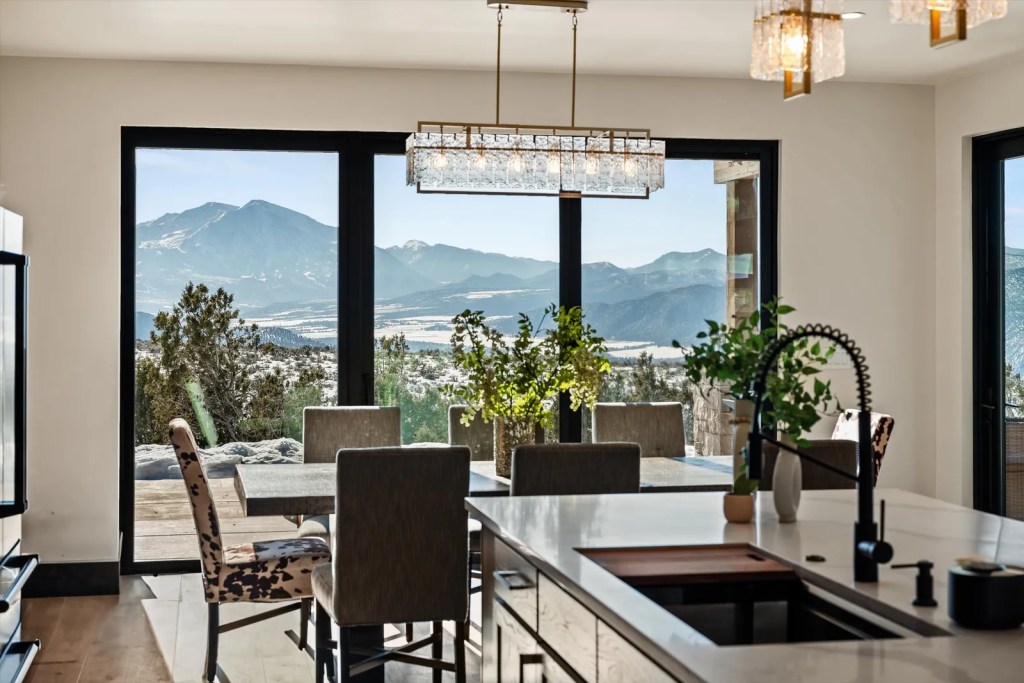
- 4 Mile Ranch for larger parcels, rural character and unique views of Mt. Sopris
Communities such as New Castle and Silt continue absorbing demand from buyers priced out of the mid-valley.
Further west, areas like Rifle, Parachute, and Battlement Mesa play an important role in the broader housing supply for the region.
2026 Roaring Fork Valley Buyer Tips
Given ongoing inventory constraints, buyers navigating Roaring Fork River real estate in 2026 tend to approach the market strategically.
Compete quickly for high-quality listings
Well-located properties in Aspen or Snowmass rarely linger.
Look for balance in mid-valley markets
Basalt and Carbondale sometimes present negotiation opportunities depending on inventory cycles.
Consider fractional ownership as an entry strategy
For buyers focused primarily on seasonal use, fractional ownership can provide access to Aspen or Snowmass with lower capital requirements.
FAQs
Where is the Roaring Fork Valley in Colorado?
The Roaring Fork Valley stretches roughly 70 miles from Aspen through Snowmass, Basalt, Carbondale, and Glenwood Springs, following the Roaring Fork River toward the Colorado River.
What areas are best for ski-in/ski-out homes?
Snowmass Village offers the largest concentration of ski-in/ski-out properties, particularly in Base Village, Woodrun, and Two Creeks. Aspen Highlands also offers slope-adjacent options.
Is Basalt or Carbondale better for full-time living?
Both attract full-time residents. Basalt typically offers closer proximity to Aspen, while Carbondale often appeals to buyers seeking stronger community culture and slightly more attainable pricing.
What is the difference between Aspen and Snowmass real estate markets?
Aspen remains a global luxury destination with extremely limited inventory and higher price points. Snowmass offers similar mountain access but often includes newer developments and more resort-style amenities.
Are there more attainable options down-valley?
Yes. Glenwood Springs, New Castle, and Silt provide broader housing inventory and serve as important entry points for buyers looking to live in the Roaring Fork Valley.


Leave a Reply